
- SHOP ALL
-
SUNSCREEN
- SPF + BB CREAM
- FACE WIPES
- BABY WIPES
-
ABOUT
-
EDUCATION

1.5min read
Have you recently switched to an all-natural sunscreen, but not sure of the easiest way to remove after a long day?
At Wotnot we are here to help. We not only want to help protect your skin naturally but also to help you gently and effectively remove natural sunscreen at the end of the day too.
So what’s the best way to remove natural sunscreen?
☀️ Natural sunscreens are physical (zinc based) sunscreens and they work by creating a protective layer that sits on top of your skin, unlike chemical UV-filters that work by absorbing these rays. Chemical sunscreens often contain a cocktail of ingredients (usually not disclosed to consumers on the packaging). These chemicals can be irritating to sensitive skin and causse skin issues over time. But here comes the mineral sunscreen to aid.
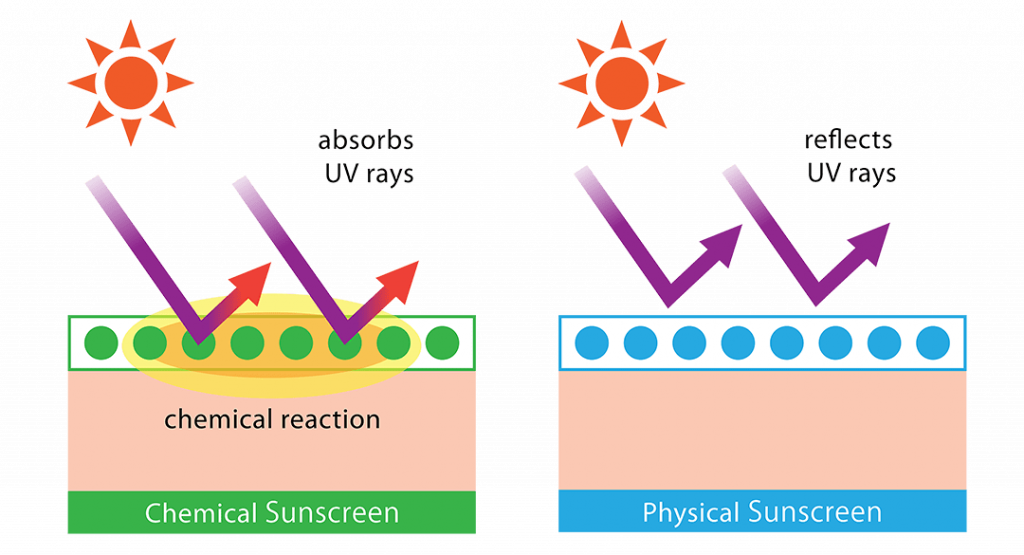
☀️ Natural sunscreens are physical (zinc based) sunscreens and they can have different bases, the best bases consist of natural oils, so they don’t always wash off as easily as a chemical sunscreens. (This is a good thing! It means the zinc stays on your skin, continuing to reflect damaging UV rays).
☀️ Zinc sunscreen is easy to remove with an oil cleanser. You can use coconut oil, sweet almond oil, jojoba oil, even olive oil works. Pour a little into the palm of your hand, then massage it over your skin. Leave it to soak in for a minute or two. Rinse off. 🌿
☀️ Natural wet wipes are an excellent alternative. For removing face sunscreen, Wotnot face wipes are ideal. They are infused with certified organic oils that work really well to remove zinc based sunscreens. Use one wipe to quickly, and easily remove all sunscreen. They are also great at removing every day grime and makeup, even waterproof mascara, before using your everyday cleanser, if double cleansing is your thing! 😉
☀️ To gently remove natural baby sunscreen and body sunscreen use a thick natural wipe with lots of moisture. These work really well to remove zinc based sunscreens and leave skin soft and hydrated.
Plus, all Wotnot wipes are certified compostable, so you can just pop them in your compost bin when you’re done! 🌿

They are great for:
🌿Removing everyday grime and natural sunscreen
🌿 Lubricating and repairing your skin with organic aloe vera
🌿 Restore lost moisture and repair with organic sweet almond oil (face wipes)
🌿 Regenerate skin with organic rose hip oil (face wipes)
Learn more about our sensitive skin facial wipes today!

2 min read
We would like to introduce you to a charity that's very close to our hearts, Women’s Community Shelters (WCS). Now more than ever, women all around Australia need to feel safe, secure, supported and equal. Covid-19 restrictions, along with rapid rising inflation rates and financial stress linked to the pandemic, floods and other world events have caused a spike in domestic violence cases across the country.
Did you know, 56,000 women in Australia are homeless every night, and more than one in two women who seek a bed in a crisis shelter are turned away every night, mostly due to a lack of space. And these are just the ones who find out they can ask for a safe place to go.
“Our mission at Wotnot Naturals is to help improve the wellbeing of all women. As part of this we donate a percentage of sales to Women’s Community Shelters”. Sinead Roberts, co-founders of Wotnot Naturals.
WCS is an Australian charity working with communities to support existing and establish new shelters for women. These shelters provide short term emergency accommodation and support in a safe environment, helping enable homeless women to rebuild their self-esteem and achieve control and eventually, fulfilment of their lives.

Adequate support for vulnerable women requires a range of services, not just emergency accommodation and help finding long-term affordable housing. To re-establish control over their lives they also need access to counselling, health care, assistance to navigate government bureaucracy, legal help, further education and assistance gaining employment.
Each individual shelter employs a paid Shelter Manager, a number of Case Workers, an Outreach and Child Support Worker (where funds allow) and are further supported by a network of hard-working volunteers. In addition to the volunteer board members, shelters have up to 80 active volunteers who support the work of the shelter through fundraising activities, event coordination, and organising activities for resident women and children.

“WCS relies on the support of partners such as Wotnot Naturals and I thank you on behalf of the women and children in our growing shelter network. We now have seven shelters, with two in the pipeline and we have expanded our transitional housing properties from just 3 in 2018 to over 20 in 2022, meaning we can offer ongoing safe accommodation and support to women and children when they leave our shelters.” Nathalie Peacock – Women's Community Shelters

Congratulations, you are pregnant! And so begins the thrill of shopping for tiny newborn onesies, choosing nursery themes and becoming more health conscious than you have ever been. Your doctors will tell you to drink plenty of water, eat a wholesome diet, and ensure you are taking the right prenatal vitamins… but has the conversation progressed to mindfully choosing safe skincare in pregnancy?
Our bodies absorb a portion of what we apply topically, and some of this can transfer through our bloodstream, and to our growing babes either through the placenta, or later, via breastmilk. For this reason, we want to ensure that when this happens, the chemicals they are exposed to will not interfere with normal growth and development.
Especially during the summer months, even those who usually pay no mind to sunscreen, find themselves lathering it on to prevent harmful sunburns. With sunscreen likely being a part of your daily routine, it is worth taking a close look at the ingredients and chose a low toxin sunscreen.
Active ingredients within chemical sunscreen includes oxybenzone, avobenzone, octisalate, octocrylene, homosalate and / or octinoxate. These ingredients are readily absorbed by the skin and may then reach the fetus. This is concerning, as these ingredients are considered endocrine disruptors which can cause harmful cell changes during embryonic development.
One study detected hormone disrupting UV filters and parabens from chemical sunscreen in the placenta of all samples taken. Another study detected chemical UV filters in 85% of breast milk samples obtained; while another study found these harsh chemicals on the skin and in the blood weeks after no longer being used. This also means that its worth investigating what toxins to avoid during conceiving as well.
Oxybenzone
A study reported that pregnant women in their first trimester who apply sunscreen containing 6 percent oxybenzone twice a day (the recommended usage) can absorb the chemical into their bloodstream. It may then reach the fetus, causing harmful cell changes during embryonic development as it is considered an endocrine disruptor. Another study reported statistically significant associations between oxybenzone exposure during pregnancy and birth outcomes. One reported shorter pregnancy in women carrying male foetuses, two reported higher birth weights for baby boys and one found lower birth weights for baby girls.
Several countries ban the sale of sunscreens that contain this ingredient, however, it can still be found in sunscreens within Australia.
Octinoxate
Octinoxate is another synthetic chemical which acts as a UV filter, but can also have hormone effects on the metabolic system and affect thyroid hormone production.
Homosalate
Homosalate is widely used in chemical sunscreens, can disrupt hormones and produce toxic breakdown by-products over time. The European Commission recommends a maximum concentration of 1.4 percent, however, in Australia the TGA allows manufacturers to use it in concentrations of up to 15 percent. Yikes.
Octocrylene
Octocrylene absorbs through the skin at 14 times the recommended cutoff for systemic exposure, and can often be contaminated with cancer-causing benzophenone.
All of this might leave you wondering how on Earth these ingredients could be allowed in our skincare products. Well, the answer is not simple and relates to regulatory change being slow. But there is a solution! All thanks to ever-evolving science and innovation, there are now safer sunscreen options available on the market today.
These are called mineral sunscreens.
Mineral sunscreen, such as our Natural Sunscreen is made from all natural, certified organic ingredients that make it a safe sunscreen for pregnancy and conceiving. The Wotnot Natural Sunscreen uses zinc oxide as its active ingredient. This is particularly valuable because of zinc oxides ability to filter UVA as well as UVB radiation, allowing for broad spectrum protection. It is safe and effective, with evidence suggesting that few, if any, particles penetrate the skin to reach living tissues.
In addition to being free from the toxins to avoid during pregnancy and conceiving, the Wotnot Natural Sunscreen is made without the use of GMO’s, and is free from sulphates, petrochemicals, parabens, artificial preservatives and fragrances.
The preservative used is natural, vegetable based and Australian Certified Organic; and the additional ingredients which gives it its smooth consistency, such as jojoba oil, grapeseed oil, safflower oil and shea butter can have beneficial anti-inflammatory and antioxidant effects on the skin!
Another added bonus? It is reef-friendly and safe for children from 3 months old – so you can feel good about providing the best for your growing babe, as well as the planet.
So mama, congratulations on your new pregnancy! Tick safe sunscreen for pregnancy off your list, and move on to exciting nursery themes! You got this.
written by Chelsea Hyett, Low Tox Movement

See an extract below or watch the full interview here
What is Blepharitis and what causes it?
What are the most common signs and symptoms of Blepharitis?
Another factor to consider in kids is allergies, an allergy can become an autoimmune problem and the cornea on the fron of the eye can become unhealthy or damaged as a result. Therefore as parents it is worth being aware of these symptoms and that it is well worth having their eyes checked out.
For adults its more typical that they get a feeling of dry eyes, a certain quirkiness or sandy feeling, along with some redness in the eye.
Wearing contact lenses can aggravate the condition though. Because even the best designer contact lenses are a foreign body, that tend to cause a little bit of irritation on the surface. It is worth trying new lens types as some are more prone to rubbing than others and lens technology has progressed significantly, and they are a lot more water friendly these days. Another important factor is how much you wear your contacts.
Good lid care is fundamental, and there are great results for both adults and kids. Instructing patients on lid hygiene and lid care and getting them on a good routine pays off. All proposed treatments (antibiotics orally or topically or steroids or even surgery) should always be followed by good lid care, and if that is done correctly patients normally do not neeed to have further treatment. In Dr Jones experience only patients that stopped doing good lid care relapsed.
As good lid care needs to be an ongoing routine it is best to keep it simple, to make it easy to stick with it. It should become part of your bathroom routine to wash your eyelids. Dr Jones recommends a tear-free baby shampoo. Use a little bit of foam on a face wash or your fingers and gently shampoo the eyelashes. This plugs the glands, cleans up the lid margin and helps to get rid of some of the debris.
A home remedy that's effective is using bicarb in water. Boil one litre of water and dissolve a teaspoon of bicarb. This is safe and gentle on the surface of the eye.
When should you see a doctor?
Are there any other preventative measures that can be implemented?
There are triggers that can cause a Blepharitis outbreak, specially if your Blepharitis is linked to Rosacea. In this case it is important to know your triggers and avoiding them. These could be drinking alcohol, a sudden change in temperature, coffee or spicy food. Then add good lid care and lubricating eyedrops and this will reduce the chance of those exacerbation.
Key points to take away about Blepharitis
It is a very common condition that we all should be aware of, many patients of the Sydney Ophthalmic Specialists present with underlying Blepharitis and raising awareness will help hugely. Even though it is not a life-threatening disease in itself, at its worst, it can be eyesight threatening. There are some very effective and safe measures as discussed above and managing it properly can be lifechanging.
I have been chatting to Dr. Caroline Catt and Dr. Michael Jones who are ophthalmologists or eye specialists from Sydney Ophthalmic Specialists based in Sydney. Dr. Caroline Catt graduated with an undergraduate and medical and a master's degree from the University of Sydney and Flinders University of South Australia. She has a keen interest in teaching ophthalmologists in training and is a clinical senior lecturer at the University of Sydney. Dr. Michael Jones is currently the Head of the Department of Ophthalmology at the Children's Hospital Westmead. He is head of the Strabismus Unit at the Sydney Eye hospital, and a senior clinical lecturer with the University of Sydney.
Thank you so much for your time, Dr. Catt and Dr. Jones.


