
- SHOP ALL
-
SUNSCREEN
- SPF + BB CREAM
- FACE WIPES
- BABY WIPES
-
ABOUT
-
EDUCATION

Are you that person who checks the weather app daily or hangs their head out the window in the morning to see what the day’s doing before you apply sunscreen?…..well think again!
Sunscreen is the daily skincare routine that should never EVER be missed.
It is a no brainer in the middle of summer and it’s boiling hot outside to remember to apply sunscreen but what about in winter?
Although the sun might not feel as hot in the cooler months, rest assured the risks of sun damage (aka skin aging) are still very very real.
UV rays can cut through winter clouds
Even if it looks overcast outside, don’t be fooled! Up to 80% of the sun’s rays can still penetrate cloud cover and even worse, reflect off it.
There are two types of rays you need to know about -
So the take away is – it’s important to protect your skin from both types of UV rays all year round.
Sunscreen is the key to anti-aging.
In winter, your skin is noticeably drier because of the much harsher weather conditions and indoor heating. This can cause noticeable dehydration and result in dull looking skin.
An easy way to combat this is by using sunscreen daily. It not only locks in the skin’s natural moisture, but it will keep skin looking fresher and plumper.
Wotnot Naturals Tinted Face Sunscreen comes with built in SPF 40 and anti-aging serum plus mineral make up coverage. Our unique formula is proven to minimise the appearance of fine lines and wrinkles by up to 16% when used daily for 8 weeks thanks to the clever inclusion of COSMOS approved plant collagen. What more could you want?
An Australian Study published in 2013 through the QLD Institute of Medical Research compares 903 people aged 25-55 using SPF 15 daily at their own discretion for a four and a half year period.
The results were that 24 percent of participants were less likely to show increased signs of aging. Regardless of sex, age, skin colour, occupation, skin cancer history, weight and smoking everyone benefitted from daily sunscreen use.
Now that’s compelling!

Winter elements can remove sunscreen
When you’re hot and sweaty at the beach and swimming regularly it’s a given that you reapply sunscreen every 2 hours but what about on a windy winter’s day or at the snow?
The answer is, yes? Strong winds can wear away sunscreen and snow reflects up to 90% of UV rays. This means that the sun is even MORE potent and highly likely to burn you.
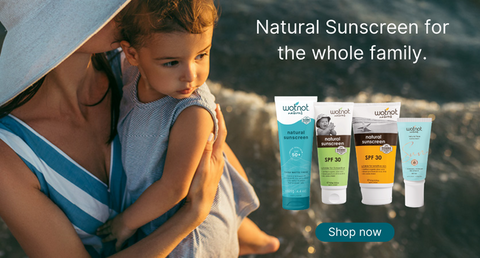
A zinc based natural sunscreen like Wotnot’s SPF 30 is packed full of nourishing organic ingredients that are perfect for soothing dry winter skin and preventing sun damage at the same time. And since it's a physical sunscreen, you don't need to worry about absorbing unnecessary chemicals into your bloodstream. It’s a win-win!
You can get sun damage indoors
Don’t be tempted to skip your sunscreen in the morning even if you’re working inside all day. UVA rays can still sneak through glass, so be mindful of time spent in a car or on buses.
Pay attention to where your desk is positioned in a room. If you’re sitting near a window, even a small amount of light may affect your skin.
Bottom line – there is no harm in applying sunscreen daily - bonus if it has an anti-aging serum and make up coverage to not only save you time, but also help your back-pocket by using less beauty products!
Winter can be just as damaging to the skin as summertime is, so make sure you apply a good quality face sunscreen with at least SPF 30 as part of your everyday skin routine.
https://actcancer.org/prevention/sunsmart/at-the-snow/

I hate burns
It doesn’t matter which industry you are in, there is always some job at work that you just don’t like doing. If you work in hospitality, it might be emptying the bins. If you are corporate, it might be attending the monthly meeting. For me as an Intensive Care Paramedic (ICP) I hate going to burns.
In my time on the job, I have been to many burns patients and they just don’t get any easier. I once attended a sex worker who was doused in petrol and set alight by one of her clients. It was heart breaking. But I guess a more appropriate story to tell for this blog is that of the 9-year-old boy who went to visit his grandmother. He was so excited to see her, that when he did, he ran over to give her a big hug and hit her with pace throwing her off balance. At the same time grandma was emptying the spaghetti from the saucepan into the strainer. She fell off balance and that boiling water scolded the little boy. The water went down his neck and down his back. In the chaos, grandma picked him up and ran him upstairs to cool the burn. Unfortunately, in a panic, she turned on the hot water.
Burns are horrible! Not only can they be life threatening, but they are cosmetically devastating and painful. But there is one good thing about burns. One great thing about burns. One thing that even an ICP who has been to too many burns can say is fantastic.
So what’s so good about burns?
The answer: what you do in the moments immediately after the burn injury makes a huge difference! As a first aider your actions could be the difference between life and death, they could be the difference between scarring or not scarring, or (in my opinion) most importantly they could be the difference between pain and no pain.
So what do you do if someone is burnt?
Tips
For more useful information and practical hands-on tips book into one our many paediatric first aid courses run Australia wide. Check out our website http://www.rescueblue.com.au

What’s the difference between Degradable vs Biodegradable vs Compostable?
For Plastic Free July, Wotnot is focusing on the simple, positive steps we can take to be more effective guardians of the planet and create cleaner streets, oceans and a better world for our children.

Hello Wotnot Community! My name is Shay, and I’m a family blogger from Grin Natural, passionate about encouraging parents to make good choices for their families and the earth. Some of these good choices include instilling personal care habits in your little one’s, as these habits will lay the foundation for healthy living from toddlerhood right into adulthood. It’s also important to couple personal care habits with natural, eco-friendly products that are safer for our family and better for the environment. Our choices today will affect their futures.
We know we need to keep clean to kill germs and avoid getting sick, we need to protect our skin from the effects of sun damage, and we need to have effective oral care as this can impact the wellbeing of our entire body’s microbiome. Think back to habits that are now second nature to us as adults, like brushing our teeth, washing in the shower and eating our fruit and vegetables - these are all learned behaviours that become lifelong habits.
So, let’s talk about some of these personal care everyday habits for toddlers:
Washing Hands
Let’s start with hand washing. Now more than ever, hand washing needs to be a consistent daily practice for all families. Most germs spread through hand contact, so handwashing helps prevent your child and others from getting sick. Encourage your child to wash their hands when they are dirty, before eating any meals or snacks, after blowing their nose, sneezing or coughing and after going to the bathroom - just to name a few. Using natural hand wash and hand sanitisers ensures your little one’s skin does not come into contact with any harsh chemicals.
Bath time
Bath time can be the best part of your toddler’s day and a fun family bonding activity. Encourage your child to wash all parts of their little body’s and make sure they are fully dry before getting dressed. Practising regular cleanliness can help boost self-esteem and confidence and washes away germs and all the other fun bugs our toddlers may come into contact with when rolling around in the playground. Evening baths/showers are also a key component to an effective bedtime routine for your little one - and we know how precious the evening time is for parents. Wotnot’s 100% natural baby wash cleanses without removing your baby's natural oils and is free from any artificial fragrance, making it gentle on your baby’s delicate skin.
UV Protection
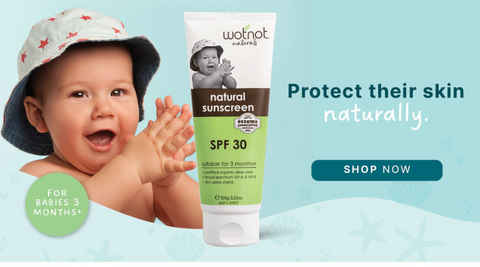
Australia has some of the harshest levels of UV radiation in the world, and it’s key to remember, UV radiation can also be very high on cloudy/overcast days, not just on sunny days. Our children have very sensitive skin, and as parents, it’s our job to protect their skin from the severe effects of the sun. Some ways the Cancer Council Australia recommend you can protect your little one’s skin are; make sure they’re wearing a wide brim hat when outdoors, seek shade where possible, slide on your sunglasses, avoid direct sun exposure between the hours of 10 am and 4 pm, cover their skin in sun protective lightweight clothing and apply an all-natural sunscreen. Wotnot 30 SPF Natural Sunscreen is highly effective and can be applied all over the body from as early as three months old. It’s also toxin-free, reef-friendly, and highly moisturising to nourish and protect. It is essential to apply your sunscreen 20-30 minutes before going out in the sun.
Oral Care
Our mouths connect to our body and our mind. Poor oral hygiene can cause cavities, which lead to problems that stretch far beyond our mouths. The Australian Dental Association (ADA) and the Australian Health Policy Collaboration (AHPC) have released a report showing three in four children consume too much sugar while one in three five- to six-year-olds had decay in their baby teeth. According to oral care expert Sarah Liebkemann, children with poor oral hygiene and cavities may have trouble sleeping, eating nutritious meals, focusing, speaking, and smiling. Children with tooth pain frequently act out, miss school, or struggle with confidence. Poor oral health can also increase the risk associated with a wide variety of health conditions. Teaching your child about oral health early in life will help them carry that good habit into adulthood.
Parents can start their baby on an oral care routine from the first few weeks of life. Begin by gently wiping their gums with a damp washcloth or use the Grin Natural finger brush, which also helps to soothe those sore, itchy gums when teething commences. Use the Kid’s biodegradable toothbrush and a rice-sized smear of natural toothpaste twice a day from the moment baby's first tooth appears in the mouth. Dentists recommend taking your baby to their first dental visit when their first tooth comes in or before their first birthday. And once two teeth are touching, it’s vital to begin flossing with Grin Natural’s biodegradable kid’s flossers to avoid impacts like tooth decay. According to the Australian Dental Association, 50% of Australian children under six suffer from tooth decay, and it’s easily preventable with good oral hygiene). Make dental care fun by playing dental games and reading dental books. Our smiles are diverse and unique like we are, so teach your child to love and value their smile!
Keeping healthy and active
Eating healthy food and being consistently active is one of the best personal care habits you could instil in your toddler. Studies have shown that children who eat well and exercise regularly have a much better quality of sleep, and good sleep contributes to so much – overall health, a happy mood, healthy energy levels and much more. Healthy eating is consuming a reasonable amount of foods daily; vegetables, fruits, grains, dairy, oils, and proteins. Have your little one’s assist with meal preparation; this makes it an enjoyable family activity and encourages toddlers to try new foods. Of course, a balanced approach is to serve a variety of foods in moderation; after all, an ice cream on a hot day is delicious for the whole family. And ensure water is always the go-to drink.
Personal care habits can be implemented and practised together as a family every day. Encourage your toddlers to start their habits from a young age, making it much easier when they get older.
References:
https://www.ada.org.au/
https://www.perthnow.com.au/community-news/melville-gazette/kids-urged-to-start-looking-after-teeth-early-to-avoid-disease-c-843941
https://www.cancer.org.au/cancer-information/causes-and-prevention/sun-safety/about-sunscreen


